

July 24, 2026
From Folk Remedies to Formulated Routines: A Brief History of Recovery Supports
Explore how recovery support evolved from traditional foods and rituals to modern research, structured formulas and more responsible expectations.
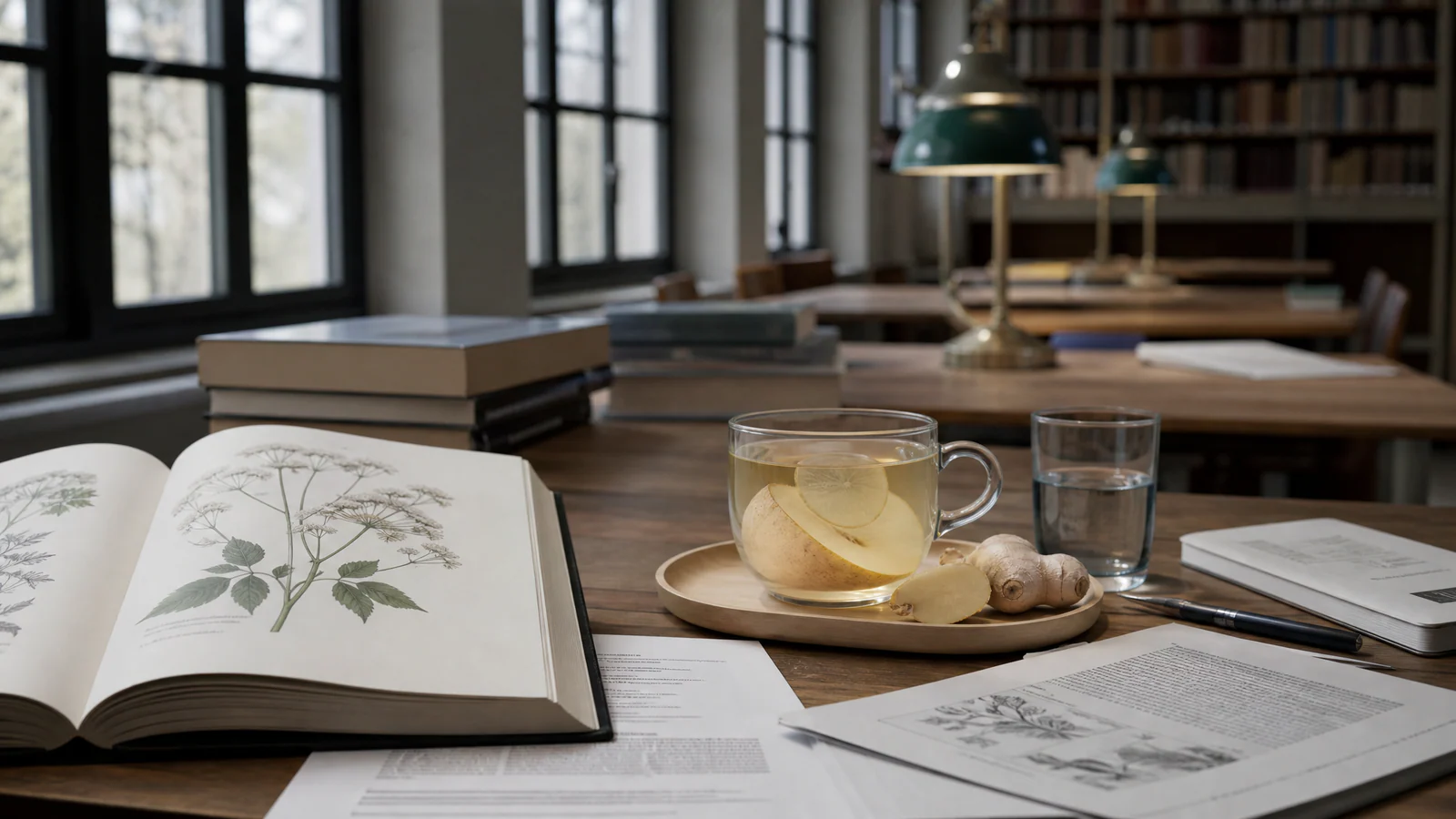
An Old Question After a Social Night
As long as people have gathered around fermented drinks, they have looked for ways to make the following day easier. The answers have varied by place and period, but the pattern is familiar: eat something restorative, drink something soothing, rest and pass a trusted ritual to the next generation.
The history of recovery supports is not a straight line from ignorance to certainty. Traditional practices sometimes contained practical wisdom, but age is not proof of effectiveness. Modern products can use more precise ingredients and doses, but a scientific-looking label is not proof either.
What has changed most is the framework. Recovery was once treated mainly as a collection of local remedies. It is now increasingly understood as support for several overlapping processes, combined with honest limits about what any intervention can achieve.
Food, Plants and Cultural Memory
Traditional recovery practices usually began with what was locally available. Different cultures turned to broths, fruit, herbal preparations, pickled foods, tea and substantial breakfasts. Some choices supplied fluid, salt or carbohydrates. Others were valued because they settled the stomach or simply felt comforting after a disrupted night.
East Asian traditions are particularly rich in plant-based preparations associated with drinking occasions. Korean pear, for example, has a documented history as a traditional pre-drinking food and was later examined in a small human study. Hovenia dulcis, commonly known as the Japanese raisin tree, also appears in traditional use and modern research.
These examples show how traditional knowledge can generate useful research questions. They do not prove that every old remedy works, nor that one positive study settles the issue. Preparation, dose, individual biology and study quality all matter.
The Rise of Hydration and Practical Care
Over time, water became the most universal recovery advice. The logic is understandable: alcohol can increase urination, and a long evening may also involve heat, travel, salty food and less water than usual. Replacing fluid is sensible, especially before bed and again the next day.
Twentieth-century advances in understanding fluid and electrolyte balance made hydration more precise across medicine and public health. Oral rehydration solutions demonstrated the importance of combining water with appropriate salts and glucose in clinical contexts. Consumer recovery products later borrowed the broader language of electrolytes, although an ordinary social evening is not the same as treating serious dehydration.
Research also made clear that hydration is only part of the picture. Alcohol can affect sleep, irritate the gastrointestinal system and create metabolites the body must process. Drinking water helps support fluid balance, but it cannot remove alcohol faster or guarantee how someone will feel.
When Remedies Met Research
By the late twentieth and early twenty-first centuries, researchers were examining hangover mechanisms and testing individual interventions under controlled conditions. The results brought useful humility. A major systematic review published in 2005 found no compelling evidence for the remedies it assessed. A later review of randomised trials reached a similar conclusion: the evidence for pharmacologically active interventions remained very limited and generally low in quality.
This does not mean research has found nothing of interest. Ingredients including Korean pear, L-cysteine, red ginseng and Hovenia dulcis have appeared in small studies. It means promising signals should not be turned into guarantees before evidence becomes stronger and more consistent.
The scientific era also challenged persistent myths. Coffee may improve alertness but does not speed the body's recovery from alcohol. A cold shower changes how awake someone feels, not the rate at which alcohol is processed. More alcohol the next morning may postpone discomfort while extending the problem.
The Move Toward Multi-Pathway Support
Modern recovery formulas increasingly recognise that the experience after alcohol is not caused by one factor. That has encouraged combinations of amino acids, botanicals, antioxidants, vitamins, minerals and electrolytes rather than reliance on a single folk remedy.
Morning Mate belongs to this stage of the history. Its formula includes ingredients such as DHM, L-cysteine, reduced L-glutathione, milk thistle, electrolytes, B vitamins, L-theanine and ginger, organised around distinct supporting roles. It is formulated to support normal physiological processes as part of an evening routine.
A multi-ingredient formula brings several forms of support into one routine. It should complement water, food, sleep and time.
What History Teaches Us
- Familiar rituals can be comforting without being scientifically proven.
- Traditional use can inspire research, but it cannot replace controlled evidence.
- Hydration is fundamental support, not a complete cure.
- One study is a starting point rather than a final answer.
- Responsible products explain both the purpose and the limits of their formula.
- The amount of alcohol consumed remains more influential than any recovery product.
Recovery support has moved from kitchen folklore toward more considered routines, but the best modern lesson is also the simplest. There is no magic way to erase an evening. Small choices can support the body, and the most useful ones begin while those choices are still available. Tomorrow starts tonight.
